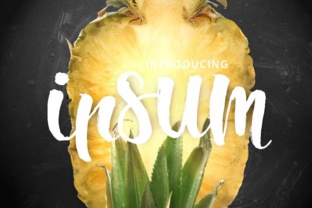
Ipsum Script: A Modern Brush Font for Creative Projects
You know the feeling. You've got a great concept—a new product line, a seasonal campaign, a blog header that needs personality—but the standard font library just isn't cutting it. The serifs feel too corporate, the sans serifs too sterile, and the available script fonts look either too formal or like they were made in the 1990s. You need something with energy, authenticity, and a contemporary edge. This is the gap Ipsum Script was designed to fill.
Understanding the Visual Character
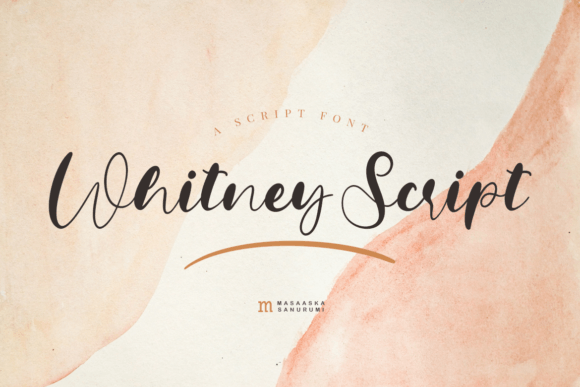
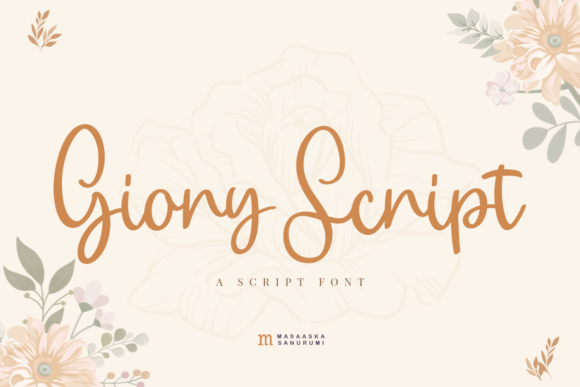
At its core, Ipsum Script is a modern brush script typeface. This means it mimics the natural, fluid strokes of a brush pen or marker, but with a distinctly current aesthetic. Forget the overly swirly, hard-to-read calligraphy scripts of the past. This font prioritizes clarity and impact. The letterforms have a confident, rhythmic flow, with a balanced mix of thick and thin strokes that create visual interest without sacrificing legibility. It feels handcrafted yet polished, personal yet professional. The overall personality is approachable, dynamic, and versatile—perfect for projects that need to convey creativity, warmth, or a sense of handcrafted quality.
Where This Script Font Truly Shines
The real strength of a premium font like Ipsum Script lies in its application across diverse projects. It's not a one-trick pony; it's a versatile design asset. For brand identity and logo design, it can instantly give a brand a human touch, making it feel more relatable and memorable. Think of a boutique coffee roaster, a handmade soap company, or a creative consultancy—the font sets the tone before a word is read.
In editorial design and publishing, it excels as a display font for headlines, pull quotes, or chapter titles in books and magazines, especially those focused on lifestyle, design, or food. Its high-contrast strokes make it a standout choice for packaging design, grabbing attention on a crowded shelf. For web design and social media graphics, it adds personality to headers, banners, and promotional images, boosting engagement in a scroll-heavy environment. And for personal projects like wedding invitations, custom apparel, or digital art, it provides a professional-grade tool that elevates the final result.
Pairing for Professional Results
A single font rarely works in isolation. The key to using Ipsum Script effectively is thoughtful font pairing. Its expressive nature pairs beautifully with clean, structured typefaces. Try combining it with a geometric sans serif for a modern, balanced look, or with a classic serif for a touch of elegant contrast. The goal is to create a clear visual hierarchy: let the script font command attention for key headings or accents, and use a more neutral font for body text to ensure readability. This combination maintains professionalism while allowing the creative energy of the script to stand out.
Practical Guidance for Implementation
Before you commit, treat Ipsum Script like any other design asset: test it. Type out your specific project text—your brand name, your headline, your tagline. Check the letter spacing and how the characters connect. A good modern script font will have well-designed ligatures (stylistic connections between specific letter pairs) that make the text flow naturally. Review the full character set; does it include the punctuation, numerals, and language support you need?
Consider the context. While it's a fantastic creative font for display purposes, it's not designed for long paragraphs of body copy. Use it strategically for impact. Also, verify the licensing. As a commercial font, Ipsum Script will come with a license that specifies how you can use it—typically covering both digital and print applications. Ensure the license fits your project scope, whether it's for a personal blog or a commercial product line.
Ultimately, Ipsum Script is more than just a pretty typeface. It's a tool for effective modern typography. By understanding its personality, knowing where it works best, and applying it with a strategist's eye for pairing and context, you can leverage it to enhance readability, build a stronger brand identity, and create visuals that genuinely connect with your audience. It’s about adding a layer of authentic, contemporary style that helps your message not just be seen, but felt.